13 Places to Explore Pakistan for an Unforgettable Travel Experience
13 Places to Explore Pakistan
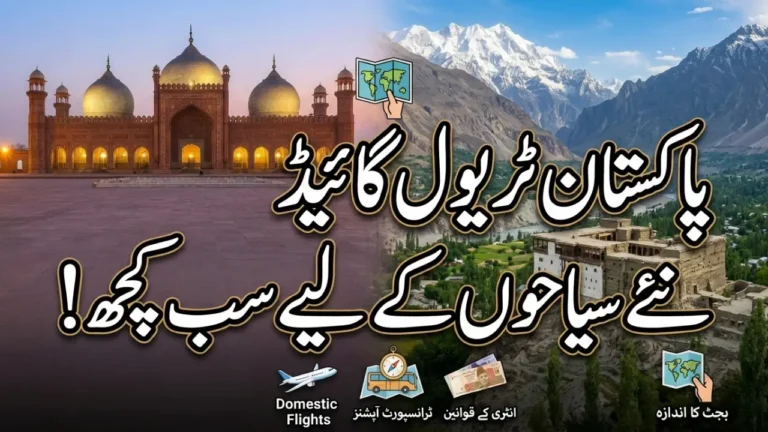
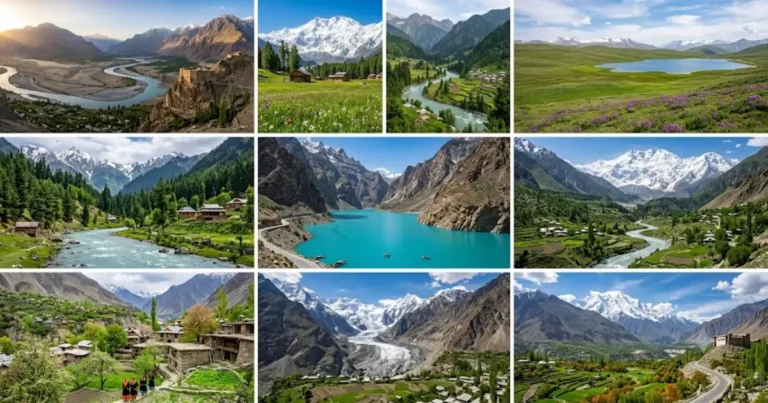
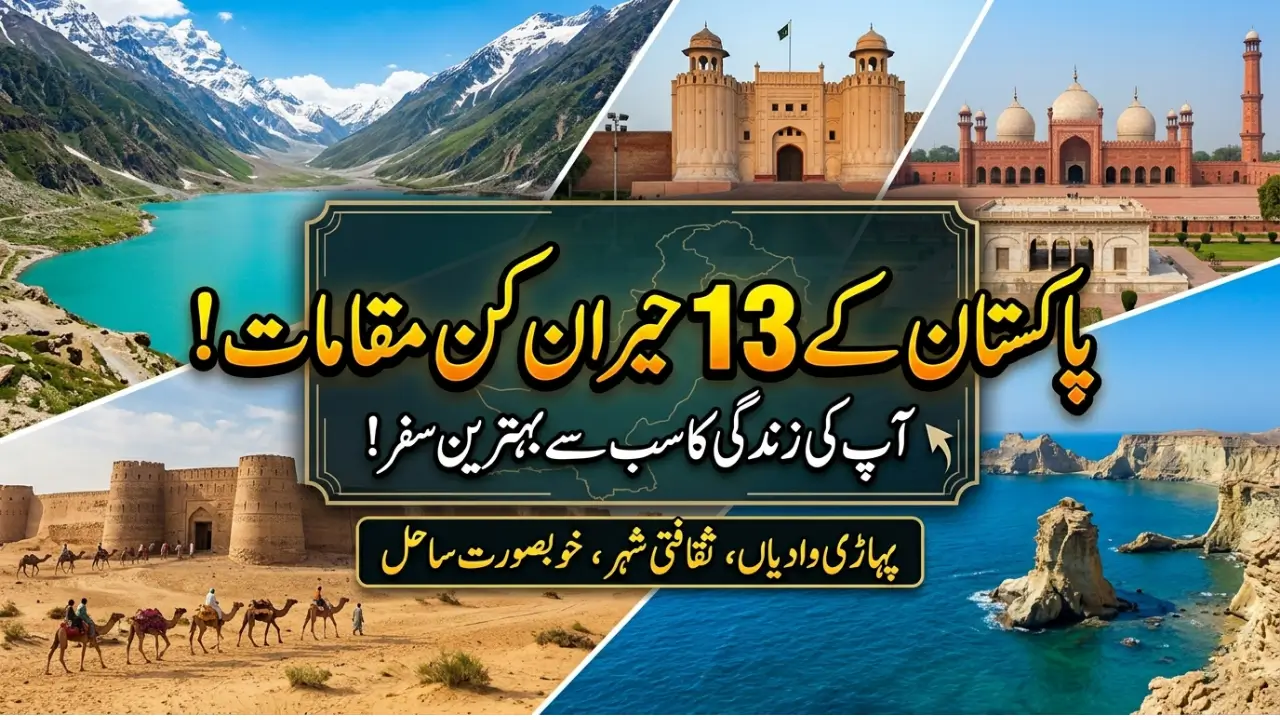
13 Places to Explore Pakistan. Pakistan offers a wide range of travel locations that include mountain valleys, cultural cities, coastal routes, and desert landscapes. Travelers often plan trips based on season, road access, and regional conditions. Northern areas require careful timing due to snow and limited road access in winter, while southern regions remain accessible for most of the year. This guide presents 13 destinations across the country, helping readers understand where to go, what each region offers, and how travel flows differ from north to south.
Travelers should choose destinations according to the season and road conditions. With thoughtful planning, exploring Pakistan becomes a rewarding journey filled with unforgettable landscapes and welcoming communities.
Read More: Samsung S27 Ultra Price in Pakistan
Northern Valleys of Pakistan for Scenic Routes
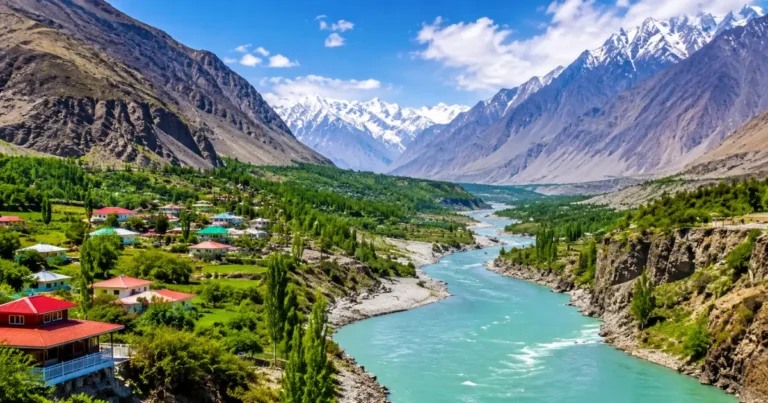
Northern Pakistan includes high-altitude valleys known for long road journeys, rivers, and mountain views. Areas such as Gilgit-Baltistan and Khyber Pakhtunkhwa form the core of this region. Roads often pass through winding terrain, and travel time varies depending on weather conditions.
Key travel points:
- Road access depends on seasonal conditions
- Fuel stations and rest stops are limited in remote zones
- Mobile network coverage may drop in higher valleys
13 Places to Explore Pakistan
| Location | Region | Main Feature | Travel Condition |
| Hunza | Gilgit-Baltistan | Mountain valleys | Seasonal access |
| Skardu | Gilgit-Baltistan | Lakes and plains | Seasonal flights/road |
| Swat | Khyber Pakhtunkhwa | River valleys | Road accessible |
| Neelum Valley | Azad Kashmir | Forest hills | Limited winter access |
| Lahore | Punjab | Historical sites | Year-round |
| Multan | Punjab | Shrines | Year-round |
| Karachi | Sindh | Coastal city | Year-round |
| Gwadar | Balochistan | Coastline | Winter preferred |
| Cholistan | Punjab | Desert region | Winter season |
| Murree | Punjab | Hill station | Year-round |
| Islamabad | ICT | Urban + hills | Year-round |
| Fairy Meadows | Gilgit-Baltistan | Mountain base views | Summer only |
| Naran Kaghan | Khyber Pakhtunkhwa | Alpine lakes | Summer season |
Hunza and Skardu Travel Routes and Access
Hunza and Skardu remain two of the most visited regions in the north. Hunza connects through the Karakoram Highway, while Skardu is accessed via road or seasonal flights. Both regions include lakes, glaciers, and villages located at high altitudes.
Hunza includes Karimabad, Attabad Lake, and Altit Fort. Skardu offers Shangrila Lake, Satpara Lake, and access routes toward Deosai Plains. Travel requires planning due to long road distances from major cities.
Read More: Pakistan A Detailed Travel Guide
Swat Valley and Neelum Valley Landscape Overview
Swat Valley in Khyber Pakhtunkhwa and Neelum Valley in Azad Kashmir are known for river systems and forest-covered hills. Swat connects easily through motorway routes, while Neelum Valley requires travel from Muzaffarabad onward.
Both regions support tourism activities such as river walks, hiking routes, and village visits. Hotels are available in main towns, though availability reduces in peak summer months.

Cultural Cities Lahore, Multan, and Karachi Heritage
Lahore, Multan, and Karachi represent the cultural and historical centers of Pakistan. Lahore contains Mughal-era architecture such as Lahore Fort and Badshahi Mosque. Multan is known for Sufi shrines and historical trade routes. Karachi reflects coastal urban life with museums and markets.
These cities offer:
- Transport networks, including rail and air links
- Historical sites with preserved architecture
- Food markets with regional cuisines
Coastal and Desert Regions: Gwadar and Cholistan
Gwadar in Balochistan connects Pakistan to the Arabian Sea coastline. It includes developing port areas and nearby beaches. Cholistan Desert in Bahawalpur presents desert landscapes, forts, and seasonal cultural gatherings.
Travel to these regions is mostly planned during cooler months due to high summer temperatures. Road travel is long, and accommodation is limited outside major towns.
Read More: Vivo X300 Ultra Full Review
Murree, Islamabad, and Nearby Hill Destinations
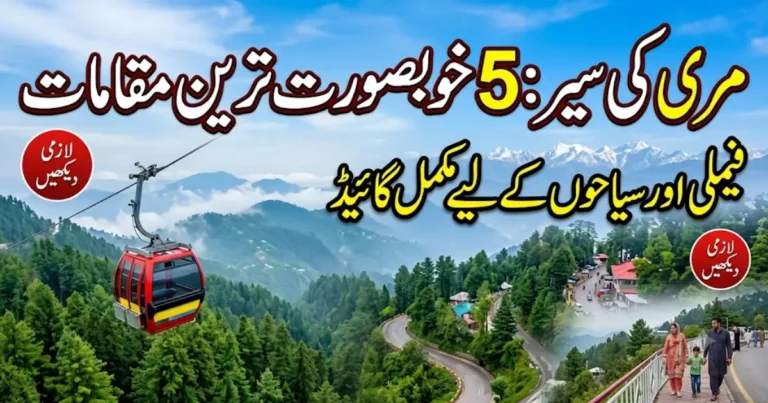
Murree and Islamabad serve as accessible travel points near northern entry routes. Murree includes forest-covered hills and viewpoints along Mall Road. Islamabad offers structured urban planning, parks, and Margalla Hills trails.
This region is suitable for short visits due to highway access from major cities such as Lahore and Rawalpindi.
Frequently Asked Questions
Which area is most suitable for first-time travelers in Pakistan?
Islamabad, Murree, and Lahore are easier due to transport access and hotel availability.
Is northern Pakistan safe for travel?
Main tourist routes are generally active during the summer months with established visitor infrastructure.
What is the best season for mountain regions?
May to September is preferred due to open roads and stable weather conditions.
Conclusion
Pakistan’s travel landscape includes mountain valleys, historic cities, coastal zones, and desert regions. Each location differs in climate, access routes, and available facilities. Northern areas require seasonal planning, while major cities and southern regions allow flexible travel throughout the year. These 13 destinations reflect the country’s geographic range and provide structured options for planning visits across different regions.
Pakistan is home to diverse destinations that blend natural beauty, rich history, and vibrant cultural traditions. Every region offers unique experiences throughout the year.
Read More: Oil Price Today: Latest Updates