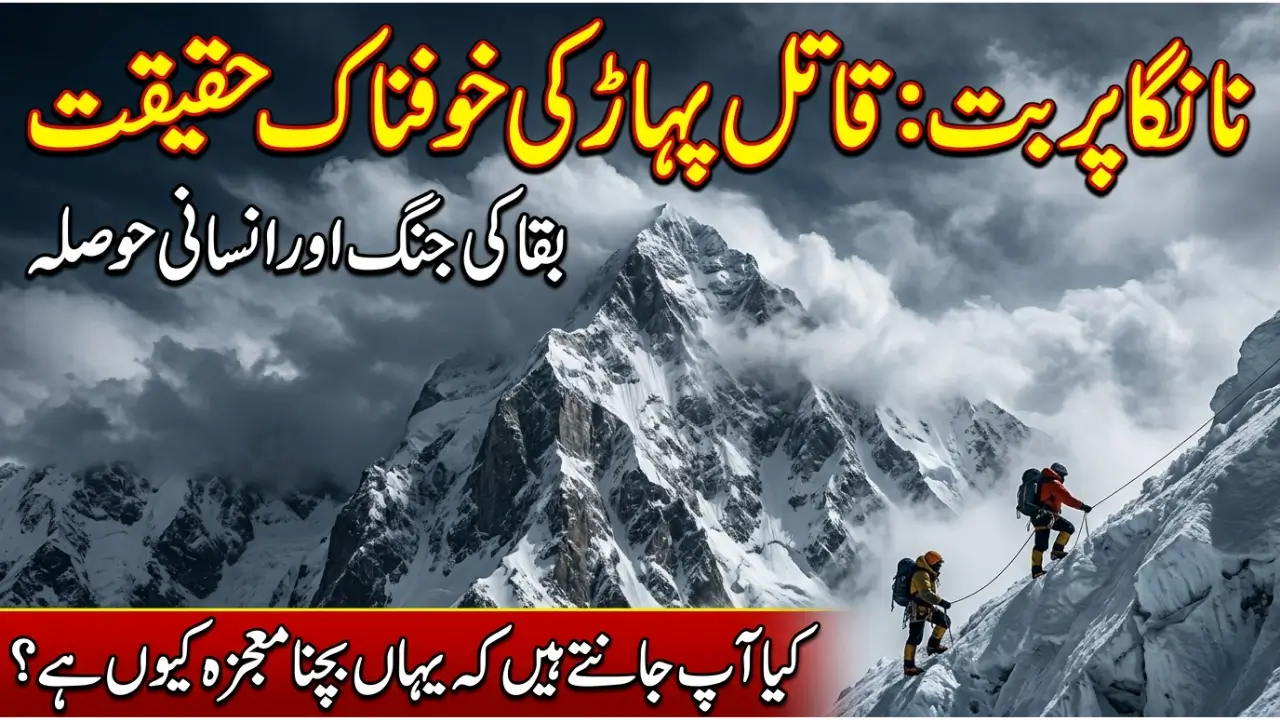
Courage at Nanga Parbat and Survival Struggle
Nanga Parbat in Gilgit-Baltistan is one of the highest peaks in Pakistan at 8,126 meters. It is part of the Himalayas and is known for steep rock walls, long ice routes, and unpredictable weather. Climbers who attempt this mountain face thin air, low temperatures, and long isolation above base camps. Survival depends on timing, physical condition, and weather awareness during ascent.
Nanga Parbat is one of Pakistan’s most iconic mountains, attracting climbers and adventure enthusiasts from around the world. Its towering height and challenging terrain demand careful preparation and experience. Changing weather conditions make every expedition unpredictable. The mountain also highlights the importance of local guides, rescue services, and responsible mountaineering practices.
Read More: 8171 PMT Score Verification Online
Geographic Reality of Nanga Parbat in Gilgit-Baltistan
The mountain rises sharply near the Indus River, forming one of the largest vertical rises in the world. The southern side, known as the Rupal Face, is among the highest mountain walls on Earth.
Key geographic features include:
- Extreme elevation gain from base to summit
- Long glacier systems with hidden crevasses
- Narrow climbing routes with limited resting zones
This terrain leaves little margin for error during climbing or descent.
Details
| Category | Details |
| Height | 8,126 meters |
| Location | Gilgit-Baltistan, Pakistan |
| First Successful Ascent | 1953 |
| Main Hazards | Avalanches, low oxygen, storms |
| Rescue Access | Helicopter and ground teams |
| Local Support | Porters, guides, logistics workers |
Weather Patterns and Altitude Pressure
The weather on Nanga Parbat changes quickly due to its location between the Himalayan and Karakoram systems. Wind directions shift without warning, and snowfall can block routes within hours.
At higher elevations:
- Oxygen levels drop to nearly 30% of normal air
- Temperatures fall below -25°C during climbing seasons
- Wind pressure increases physical exhaustion
Altitude pressure also affects judgment, coordination, and sleep quality, increasing risks during summit attempts.
Read More: Lahore: A Guide For Travelers
Historical Climbing Attempts and Early Losses
Early exploration of Nanga Parbat began in the 1890s, but major climbing efforts took place in the 1930s. Several German expeditions faced severe losses due to avalanches and storms.
A turning point came in 1953 when Austrian climber Hermann Buhl reached the summit alone and returned without supplemental oxygen. His descent is still studied in mountaineering history for endurance under extreme conditions.
Important historical points:
- Repeated expedition failures before 1953
- High number of fatalities in early decades
- Limited weather forecasting during early climbs

Modern Climbing Conditions in 2026
Climbing conditions have improved due to better gear, satellite-based weather updates, and fixed-rope systems. Even with these improvements, Nanga Parbat remains technically demanding.
Current conditions include:
- Glacier movement is causing unstable ice sections
- Sudden rockfalls in warmer months
- Short weather windows for summit attempts
Many expeditions now rely on staged camps with fixed supplies, but high-altitude sections still require self-reliance and careful pacing.
Rescue System and Emergency Response in Pakistan
Rescue operations in Gilgit-Baltistan have improved over the past decade. Helicopter support is available, but altitude limits and weather conditions restrict access to higher camps.
Current support system:
- Satellite communication used for distress signals
- Rescue teams stationed in Skardu and nearby valleys
- Coordination between military aviation and local authorities
Despite these systems, evacuations above Camp II often depend on weather clearance and ground support from climbers.
Role of Local Communities in Expedition Support
Local communities in Diamer, Astore, and surrounding valleys play a central role in supporting climbing expeditions. Porters, cooks, and guides provide logistical assistance from base camp upward.
Their involvement includes:
- Carrying equipment across glacier routes
- Setting up camps in mid-altitude zones
- Assisting with weather observation and route marking
This seasonal work supports household income in remote mountain regions where farming opportunities are limited.
Climbing Risk Factors and Survival Conditions
Survival on Nanga Parbat depends on careful planning and awareness of environmental limits. Most accidents occur during descent or sudden weather changes rather than the ascent itself.
Common risk factors:
- Snowstorms are reducing visibility to near zero
- Ice collapse on steep slopes
- Exhaustion due to altitude and long climbing hours
FAQ
Why is Nanga Parbat considered difficult to climb?
Its steep faces, unstable ice, and sudden weather changes increase technical difficulty.
What is the safest season for climbing?
Most expeditions take place between June and August due to relatively stable weather.
How important are local guides?
Local guides assist with route knowledge, transport, and camp setup, especially in glacier zones.
Conclusion
Nanga Parbat remains a demanding mountain where survival depends on preparation, timing, and awareness of natural conditions. Despite improvements in rescue systems and climbing equipment, the terrain continues to test human endurance.
Its geography and weather patterns shape every expedition, while local communities remain essential to supporting climbers. The mountain stands as a significant part of Pakistan’s high-altitude landscape, combining natural challenge with regional livelihood support.