Oil Price Today: Latest Updates & Market Trends (2026)
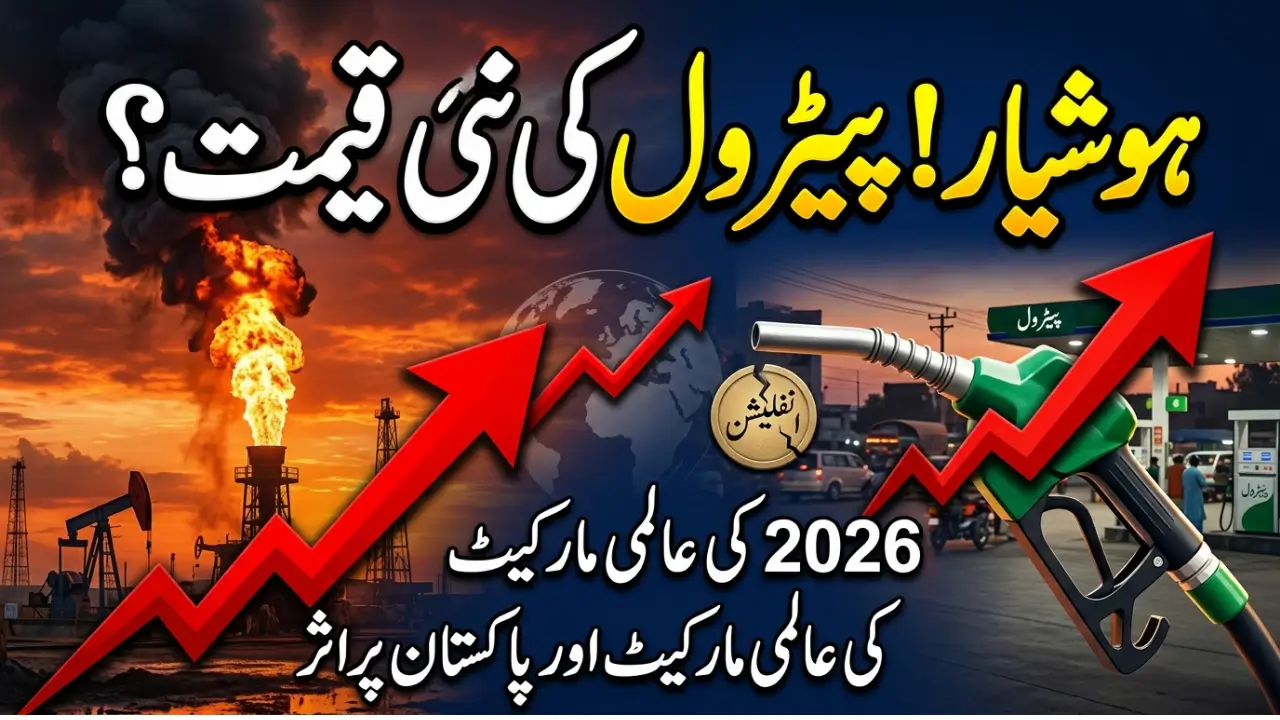
Global energy markets in 2026 continue to show frequent movement in crude oil pricing, shaped by production levels, shipping conditions, and international demand patterns. For import-dependent countries like Pakistan, tracking Oil Price Today remains important because even small global changes directly affect fuel expenses, transport costs, and inflation levels.
Brent Crude and West Texas Intermediate (WTI) continue to act as key pricing benchmarks, setting the direction for global trade and domestic fuel adjustments.
Read More: Maryam Nawaz Katcha Area Package
Global Oil Price Today in 2026
In 2026, Oil Price Today is generally observed within a fluctuating range influenced by supply coordination and global demand stability. Prices often move between mid to high double-digit levels per barrel, depending on market conditions.
Brent Crude remains the leading international benchmark, while WTI reflects North American trading patterns. Both respond quickly to production announcements and geopolitical developments.
| Category | Market Situation |
| Global pricing range | Mid to high double digits per barrel |
| Key benchmarks | Brent Crude, WTI |
| Market behavior | Frequent short-term fluctuations |
| Main influence | Supply decisions and global demand |
| Pakistan effect | Direct impact on fuel and transport costs |
Main Drivers Behind Oil Price Changes Today
Movements in oil prices follow clear global factors that influence the supply and demand balance.
Key drivers include:
- Production adjustments by major oil-exporting countries
- Global industrial and transport fuel demand
- Shipping route stability and logistics costs
- Currency value changes in importing economies
Even small disruptions in supply chains can create noticeable price movement within a short time period.
Read More: Courage at Nanga Parbat
Supply and Demand Situation in 2026
The global supply of crude oil remains relatively controlled, with coordinated output decisions preventing extreme oversupply. Demand growth is steady but not accelerating sharply due to energy efficiency improvements and alternative energy adoption.
Market behavior affecting the oil price includes:
- Higher demand during industrial expansion cycles
- Seasonal demand increases in colder regions
- Temporary supply adjustments by exporting nations
This balance keeps prices sensitive but within a limited range.
Geopolitical Influence on Oil Markets
Geopolitical conditions continue to play a strong role in determining the oil price. Markets react immediately to uncertainty in key oil-producing regions and shipping corridors.
Common influences include:
- Security conditions in major oil transit routes
- Political tensions are affecting export stability
- Diplomatic agreements among producing countries
Even without actual disruption, market expectations alone can push prices upward.
Read More: 8171 PMT Score Verification Online
Impact on Pakistan’s Economy
Pakistan relies heavily on imported petroleum products, making it highly sensitive to changes in Oil Price Today. When international prices rise, the effect reaches domestic markets quickly.
Key impacts include:
- Increased petrol and diesel prices at fuel stations
- Higher transport and logistics costs
- Rising inflation in goods and services
Since energy costs influence nearly every sector, fuel price movement has a broad economic impact.
Domestic Pricing Structure in Pakistan
Local fuel pricing in Pakistan depends on several components beyond global crude rates. Even when Oil Price remains stable internationally, domestic prices can still change.
Main factors include:
- Import cost of crude oil
- Exchange rate between the rupee and the US dollar
- Refining and distribution expenses
- Government taxes and levies
These combined elements determine final consumer fuel prices.
Oil Price for 2026
The outlook for Oil Price Today suggests continued short-term fluctuation rather than a stable long-term trend. Markets are expected to remain reactive to global supply decisions and geopolitical developments.
Possible scenarios:
- Stable production leads to moderate pricing movement
- Supply restrictions push prices higher
- Lower global demand creates temporary price pressure
No single direction dominates, keeping markets flexible and reactive.
FAQs
Why does the oil price change so often?
It changes due to supply adjustments, demand variations, currency shifts, and geopolitical developments affecting global trade.
How does the oil price affect Pakistan’s fuel rates?
Since Pakistan imports petroleum products, international price movements directly influence petrol and diesel pricing locally.
Is stability expected in oil prices during 2026?
Full stability is unlikely because global supply decisions and market reactions continue to change frequently.
Conclusion
Oil markets in 2026 continue to move under the influence of supply decisions, global demand, and geopolitical conditions. Oil Price Today remains sensitive to even small changes in international developments. For Pakistan, these shifts directly affect fuel pricing and overall inflation. Understanding these market movements helps explain frequent changes in petrol and diesel rates throughout the year.
2026 میں تیل کی منڈیاں سپلائی کے فیصلوں، عالمی طلب اور جغرافیائی سیاسی حالات کے زیر اثر حرکت کرتی رہیں۔ تیل کی قیمت آج بھی بین الاقوامی پیش رفت میں چھوٹی تبدیلیوں کے لیے حساس ہے۔ پاکستان کے لیے، یہ تبدیلیاں براہ راست ایندھن کی قیمتوں اور مجموعی افراط زر کو متاثر کرتی ہیں۔ مارکیٹ کی ان نقل و حرکت کو سمجھنے سے پورے سال میں پیٹرول اور ڈیزل کے نرخوں میں متواتر تبدیلیوں کی وضاحت میں مدد ملتی ہے۔
Read More: Lahore: A Guide For Travelers