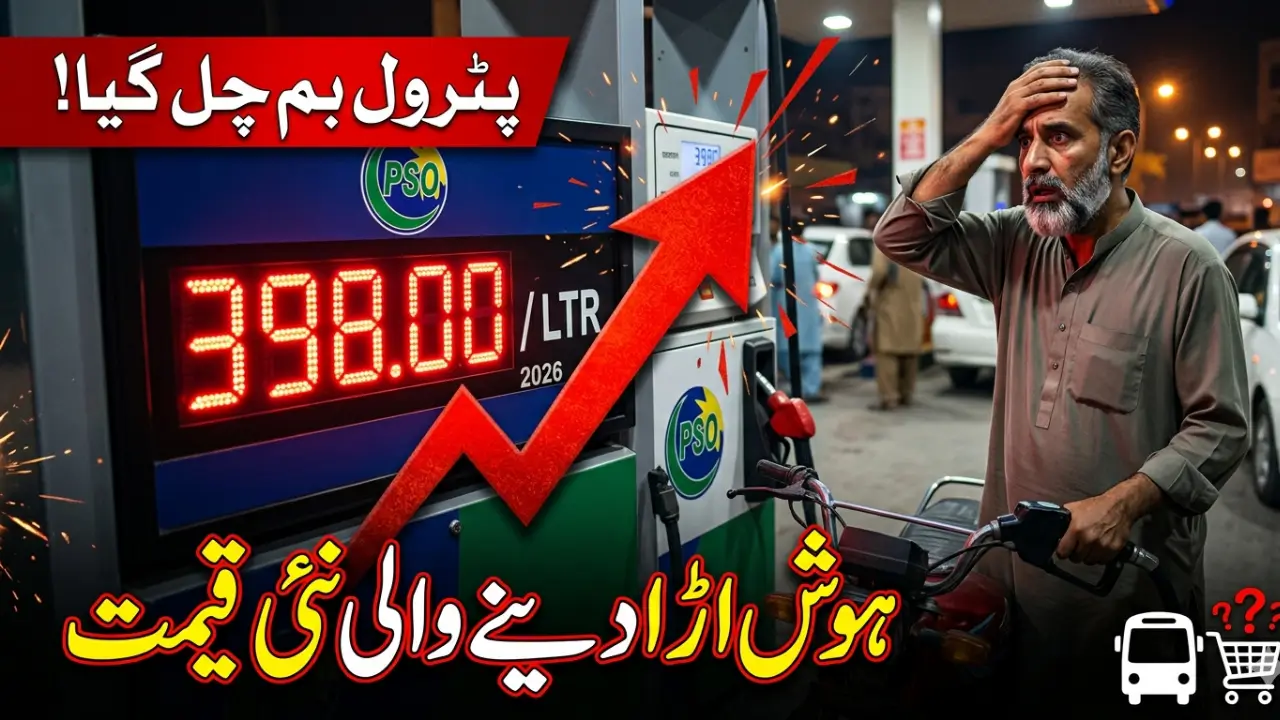
Today’s Petrol Prices in Pakistan 2026 – Latest Updated Prices
Fuel prices remain one of the most searched topics in Pakistan during 2026. Petrol rates affect transport fares, grocery prices, delivery services, and daily travel expenses across the country. Citizens regularly check updated petrol prices through OGRA notifications, petrol pump displays, and online fuel rate portals to manage monthly budgets. This article explains the latest petrol rate in Pakistan, the reasons behind price changes, expected fuel trends in 2026, and how consumers can reduce fuel expenses.
ایندھن کی قیمتیں 2026 کے دوران پاکستان میں سب سے زیادہ تلاش کیے جانے والے موضوعات میں سے ایک رہیں۔ پیٹرول کی قیمتیں پورے ملک میں ٹرانسپورٹ کے کرایوں، گروسری کی قیمتوں، ڈیلیوری کی خدمات اور روزانہ سفری اخراجات کو متاثر کرتی ہیں۔ ماہانہ بجٹ کا انتظام کرنے کے لیے شہری باقاعدگی سے اوگرا کے نوٹیفیکیشنز، پیٹرول پمپ ڈسپلے اور آن لائن فیول ریٹ پورٹلز کے ذریعے پیٹرول کی تازہ ترین قیمتوں کو چیک کرتے ہیں۔ یہ مضمون پاکستان میں پیٹرول کی تازہ ترین شرح، قیمتوں میں تبدیلی کی وجوہات، 2026 میں ایندھن کے متوقع رجحانات، اور صارفین ایندھن کے اخراجات کو کیسے کم کر سکتے ہیں اس کی وضاحت کرتا ہے۔
Read More: Sasta Petrol Subsidy 2026
Latest Petrol Prices in Pakistan
The government reviews petroleum prices twice every month after evaluating international crude oil prices, import costs, and currency exchange rates. During 2026, petrol prices remained unstable because of global oil market pressure and rising transportation expenses.
Current Fuel Rates
| Fuel Category | Updated Price |
| Petrol (Super) | Rs. 398/Litre |
| High-Speed Diesel | Rs. 395/Litre |
| Light Diesel Oil | Rs. 286/Litre |
| Kerosene Oil | Rs. 358/Litre |
The table above provides a general overview of fuel prices currently discussed in Pakistan during 2026. Rates may differ slightly after new government notifications.
Why Petrol Prices Are Increasing in Pakistan
Petrol prices in Pakistan depend heavily on imported petroleum products. Since Pakistan imports crude oil and refined fuel from international markets, local prices rise whenever global oil costs increase.
Global Crude Oil Rates
International crude oil prices crossed major levels during 2026 because of supply disruptions and shipping costs. When crude oil becomes expensive globally, Pakistani oil marketing companies also increase local fuel rates.
Read More: MEPCO Bill Check by Reference Number
Dollar Exchange Rate Impact
Petroleum imports are paid in US dollars. If the Pakistani rupee weakens against the dollar, fuel import costs rise automatically. Even a small currency change can increase petrol prices by several rupees per litre.
Government Taxes and Petroleum Levy
A large portion of fuel pricing includes the petroleum levy, dealer commission, and transportation charges. These costs directly affect the retail price consumers pay at petrol stations.
How OGRA Determines Petrol Prices
The Oil and Gas Regulatory Authority evaluates several market indicators before recommending fuel prices to the federal government. Petrol prices are usually revised every 15 days in Pakistan.
Factors included in petroleum pricing include:
- International oil market trends
- Freight and import expenses
- Rupee-dollar exchange rate
- Refinery and dealer margins
After reviewing these factors, the Finance Division issues the final fuel price notification.
Read More: Apna Khet Apna Rozgar Program 2026
Impact of Petrol Prices on Daily Life
Rising petrol prices affect both urban and rural households across Pakistan. Transport and delivery expenses increase after every fuel adjustment.
Public Transport Expenses
Bus fares, ride-hailing services, and intercity transport charges increase whenever diesel and petrol rates rise. Daily commuters in Lahore, Karachi, Islamabad, Multan, and Faisalabad face higher travel costs in 2026.
Food and Grocery Costs
Higher transportation expenses increase the cost of vegetables, flour, milk, and household supplies. Retailers often shift transport costs to consumers.
Business Operating Costs
Small businesses using generators, delivery bikes, and transport vehicles spend more money on fuel, reducing profit margins.
Read More: Balochistan Board Result 2026
Fuel Saving Practices for Pakistani Drivers
Many Pakistani consumers now focus on reducing fuel consumption because of rising petroleum prices.
Maintain Proper Tyre Pressure
Low tyre pressure increases fuel consumption. Regular tyre checks improve mileage and reduce petrol usage.
Avoid Aggressive Driving
Sudden acceleration and unnecessary braking consume more fuel, especially during city traffic.
Use Fuel-Efficient Vehicles
Hybrid cars and smaller engine vehicles gained popularity in Pakistan during 2026 because they reduce monthly fuel expenses.
Expected Petrol Price Trend in 2026
Energy analysts expect petrol prices to remain unstable during the rest of 2026 due to international oil market uncertainty. Seasonal demand, shipping costs, and exchange rate fluctuations may continue affecting fuel prices in Pakistan.
Consumers now rely more on:
- Hybrid vehicles
- Electric bikes
- Carpooling services
This shift reflects changing transportation habits because of rising fuel expenses.
How to Check Updated Petrol Rates Online
Pakistani consumers can verify updated fuel prices through official petroleum company websites, news portals, and OGRA announcements. Petrol pumps also display revised rates after each government notification.
Checking official updates helps consumers avoid misinformation shared on social media platforms.
Read More: Google Pixel 11 Pro Full Specs,
FAQs
What is the petrol price in Pakistan today?
Petrol prices in Pakistan during 2026 are close to Rs. 398 per litre, depending on the latest government notification.
How often are petrol prices updated in Pakistan?
Fuel prices are usually revised after every 15 days based on OGRA recommendations.
Why does petrol become expensive in Pakistan?
Major reasons include rising global crude oil prices, dollar exchange rate fluctuations, import costs, and petroleum taxes.
Conclusion
Petrol prices in Pakistan during 2026 continue to affect transportation, household budgets, and business operations nationwide. International crude oil markets, currency fluctuations, and government levies remain the main reasons behind fuel price changes. Consumers should monitor updated petrol rates regularly and adopt fuel-saving habits to reduce monthly transportation expenses.
Read More: Suzuki Fronx Price in Pakistan 2026